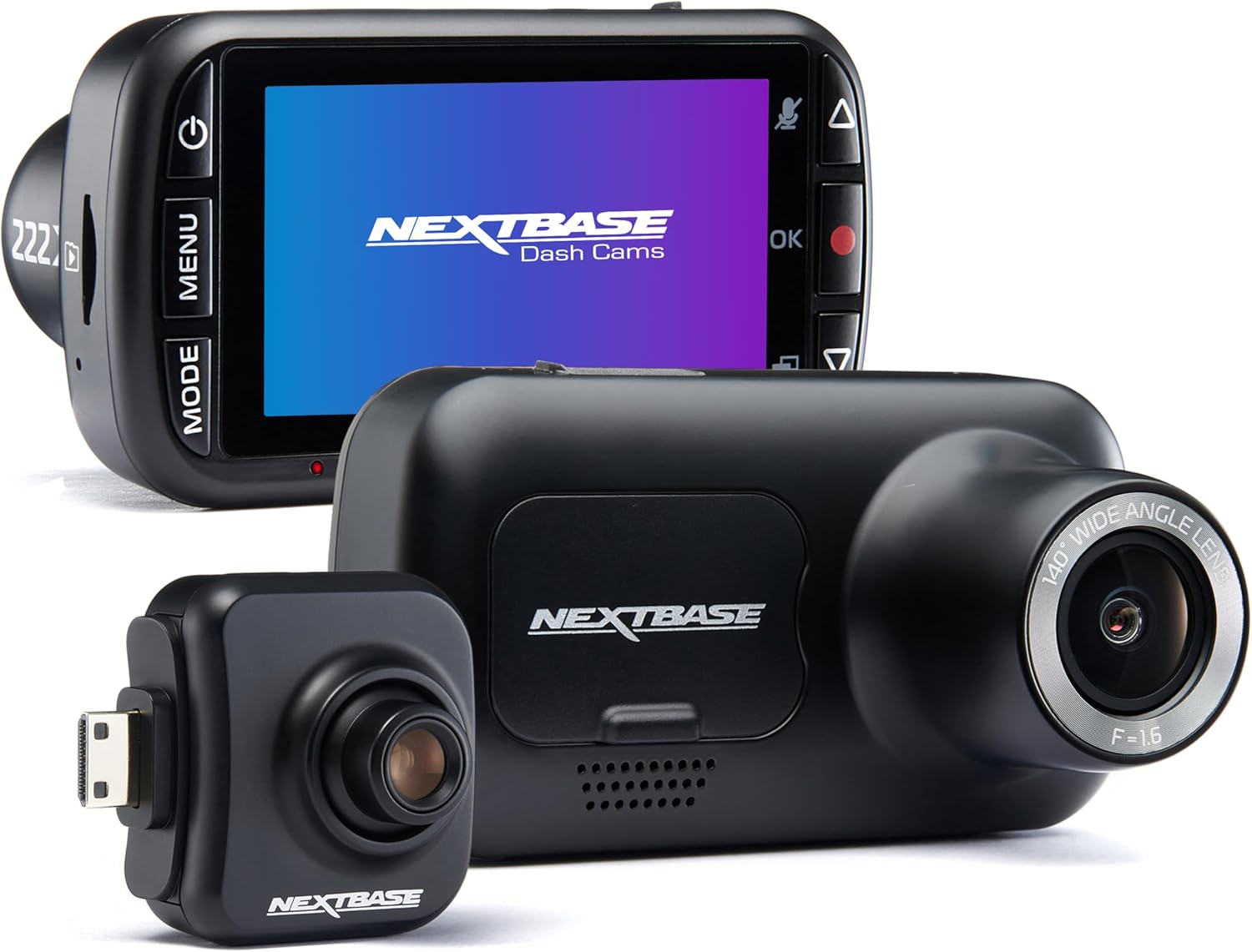
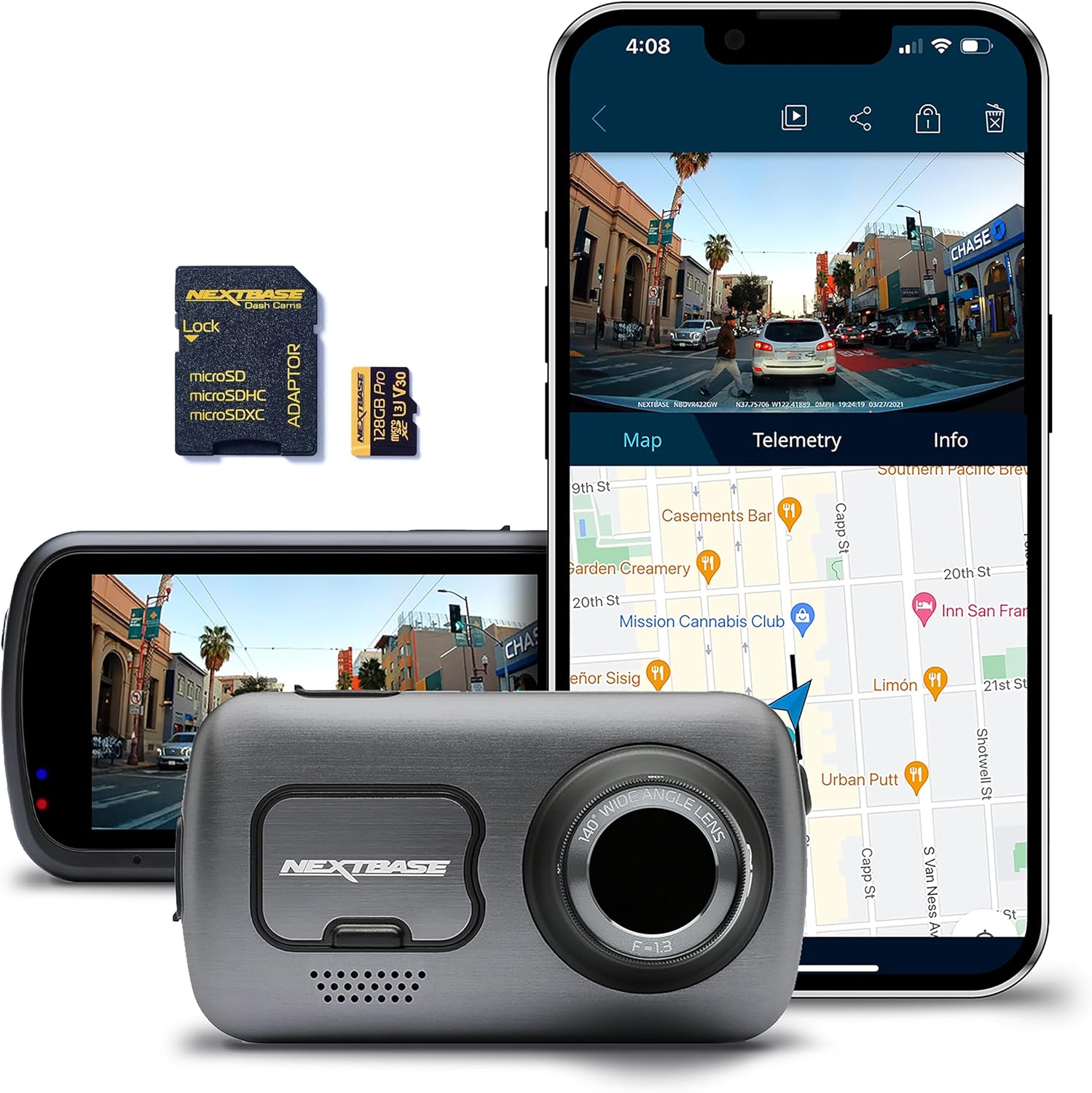
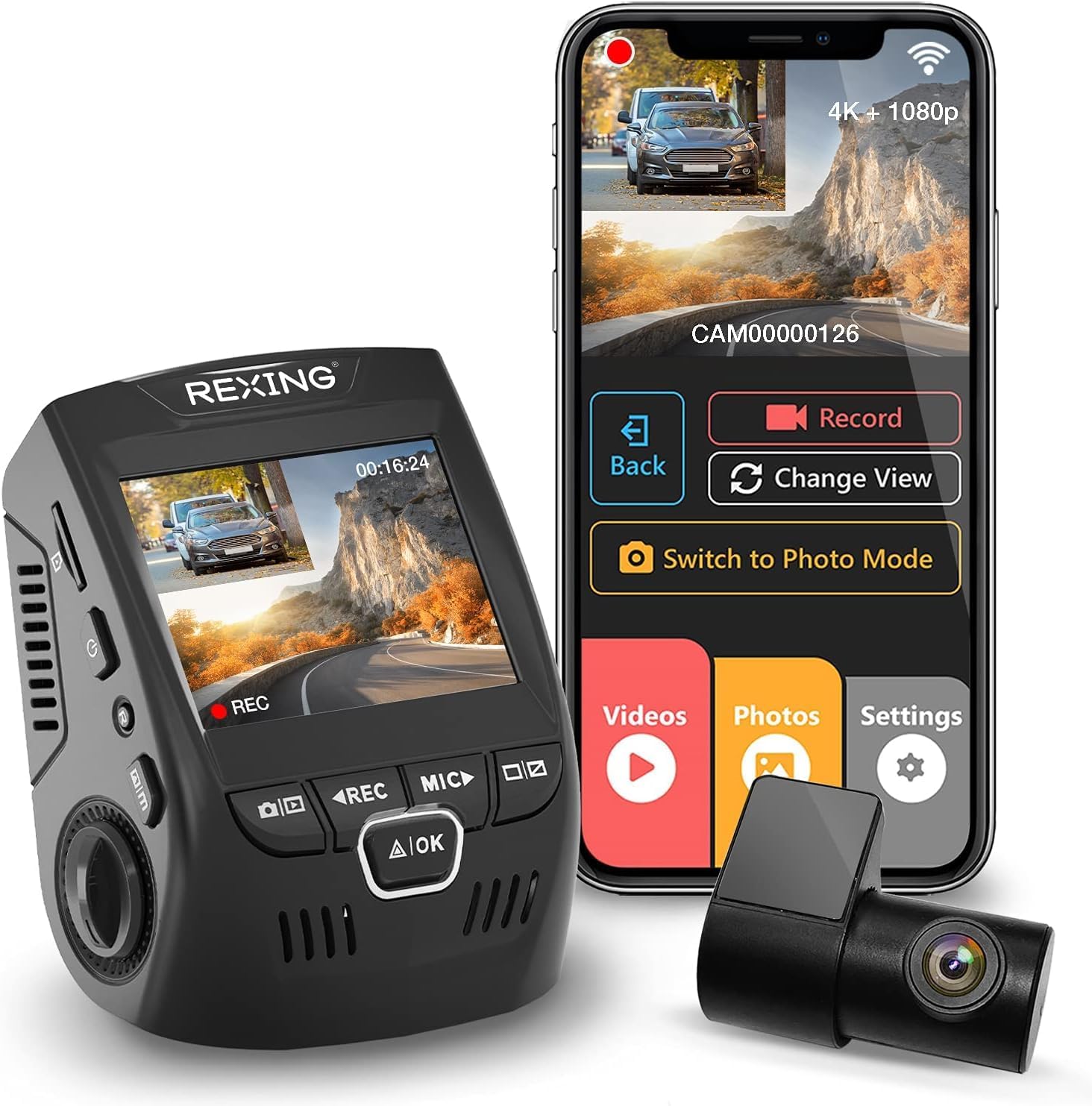
For rideshare work in 2026, the short answer to nextbase 622gw vs vantrue n4 for lyft drivers recording passenger audio is this: the Vantrue N4 (and its newer N4 Pro S successor) is the better tool for Lyft drivers who specifically need clean in-cabin audio of passengers. The Nextbase 622GW is a gorgeous 4K front-only camera with excellent image quality, but it was never designed as a 3-channel rideshare rig — it has no dedicated interior IR camera and no cabin-facing microphone optimized for backseat conversation. The Vantrue N4 series ships as a true 3-channel system (front + interior IR + rear), with an interior lens that sees the cabin in total darkness and a microphone placed to capture passenger audio clearly. If your priority is documenting what a passenger said or did in the back of your car on a Friday night Lyft shift, the N4 family is the correct pick.
That said, the comparison isn't quite that simple, and the legal piece around recording passenger audio matters as much as the hardware. Below I'll walk through how each camera actually performs for Lyft drivers, where the 622GW still wins, what the current Vantrue lineup looks like in 2026, and which specific models to buy depending on your route and your state's one-party vs two-party consent laws.
Why Lyft drivers care about cabin audio in the first place
Lyft's own driver community has been clear for years: the single most valuable function of a dash cam is not catching a fender bender on video — it's having an unambiguous audio record of what a passenger said during a dispute. Fare disagreements, false complaints submitted through the app, accusations of unsafe driving, intoxicated passenger behavior, and the rare assault claim all hinge on what was said inside the cabin. A front-facing 4K image of the road in front of you does almost nothing to resolve those situations. A clear stereo recording of the backseat does.
This is the central reason the nextbase 622gw vs vantrue n4 for lyft drivers recording passenger audio question even exists. Drivers keep buying the 622GW because it gets recommended by general dash cam reviewers, then discovering after a month on the road that it can't see or hear their passengers. The N4, by contrast, was designed from day one around the rideshare and trucking use case.
Head-to-head: Nextbase 622GW vs Vantrue N4
| Feature | Nextbase 622GW | Vantrue N4 / N4 Pro S |
|---|---|---|
| Channels | 1 (front only, rear is paid add-on) | 3 (front + interior IR + rear) out of the box |
| Front resolution | 4K @ 30fps | 4K @ 30fps (N4 Pro S: 4K all three channels) |
| Interior camera | None native | 1080p / 1440p with infrared LEDs |
| Cabin audio quality | Single front-mounted mic, muffled toward backseat | Dedicated mic tuned for cabin pickup |
| Night vision in cabin | N/A | Yes, 4 IR LEDs illuminate backseat in pitch dark |
| GPS | Built-in | External GPS mount included |
| Parking mode | Yes (with hardwire kit) | Yes (with hardwire kit, 24h motion + collision) |
| Image stabilization | Excellent (best-in-class single-channel) | Very good across all 3 channels |
| Best fit | Solo commuter, scenic driver, insurance defense | Lyft, Uber, taxi, trucking, ride-hail fleets |
The takeaway: the 622GW wins on pure front-camera image quality and on polish — Nextbase's app and Emergency SOS integration are genuinely class-leading. But for the specific job of nextbase 622gw vs vantrue n4 for lyft drivers recording passenger audio, the N4 wins on every axis that matters to a rideshare driver: interior view, IR night vision in the cabin, microphone placement, and out-of-the-box 3-channel coverage without buying a second module.
The model to actually buy in 2026: Vantrue N4 Pro S
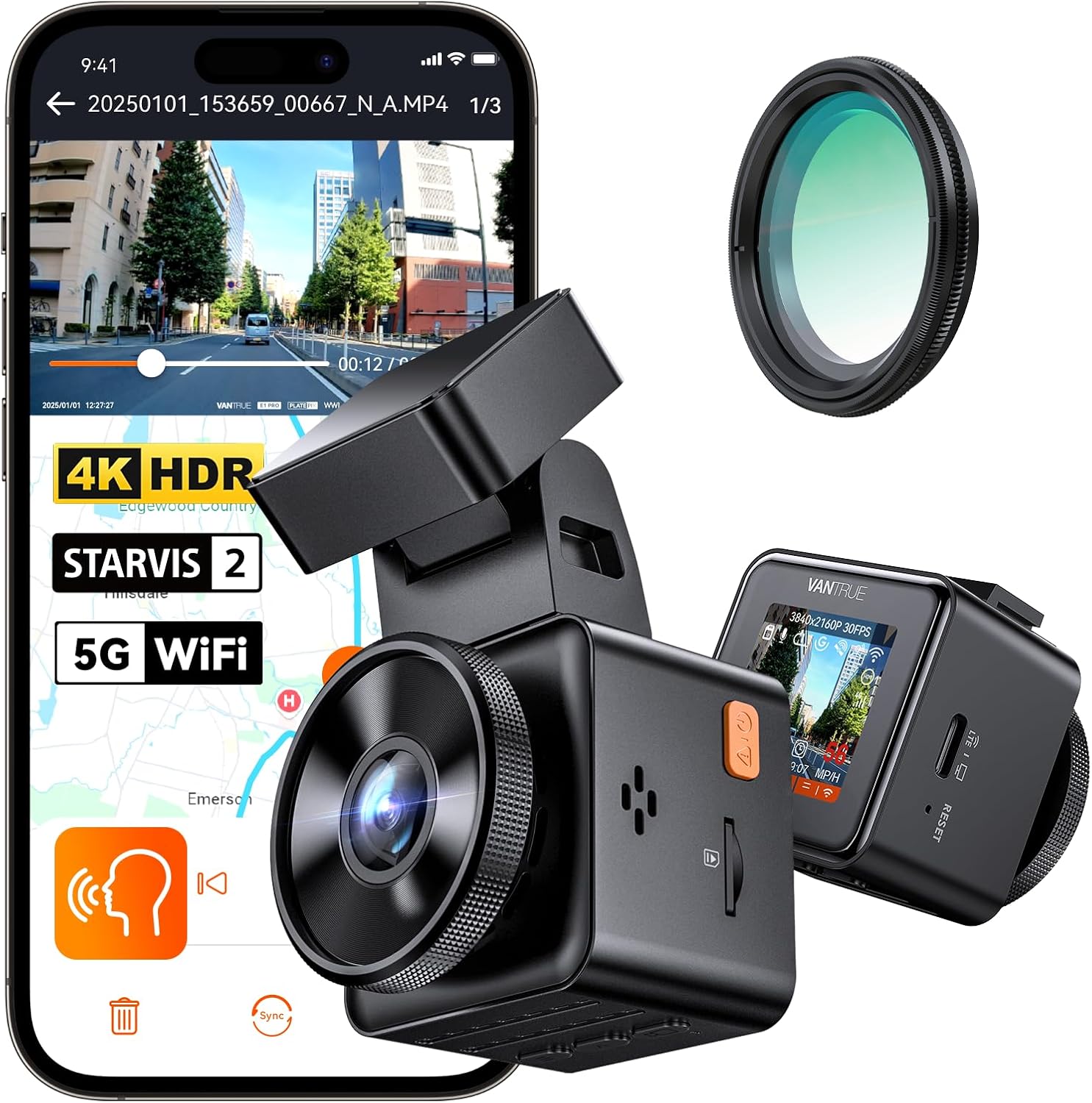
Vantrue N4 Pro S 4K 3-Channel Dash Cam (Triple STARVIS 2)
The N4 Pro S is the 2026 refresh of the classic N4 and is what I recommend to any Lyft driver asking this question today. All three lenses now use Sony's STARVIS 2 IMX678 sensor family, which is a real generational jump for low-light: license plates at night, faces in the backseat under streetlight only, and clear interior detail in IR mode. Audio is captured by a cabin-facing electret mic that is noticeably better at picking up backseat voices than the original N4. Voltage-monitored hardwire support for true 24-hour parking surveillance is included. This is the camera that replaces the discontinuing N4.
Vantrue N4 Pro S 4K 3-Channel Dash Cam on Amazon
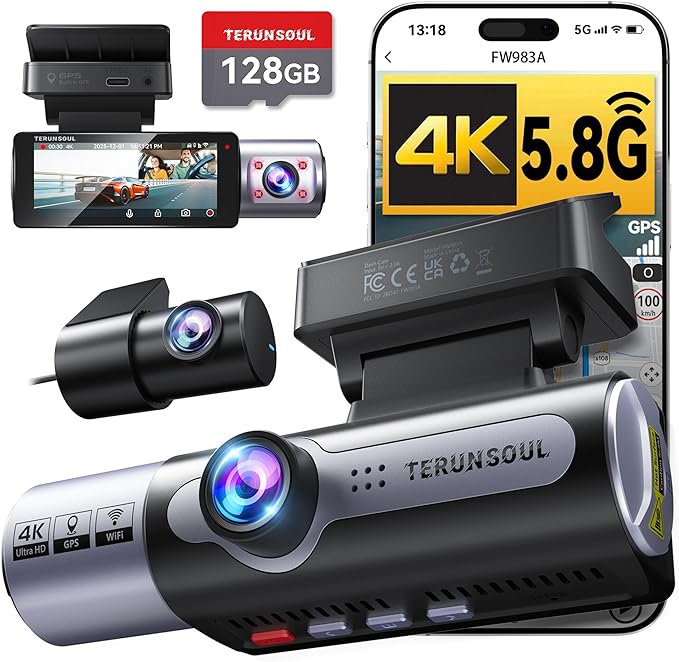
4K Dash Cam Front and Rear, 3 Channel Dashcam, 128GB Included
If the N4 Pro S is over your budget, this 3-channel 4K kit is the value pick for Lyft drivers in 2026. It ships with a 128GB high-endurance microSD card pre-installed, which alone saves you about $25 and a compatibility headache. The interior IR camera is competent — not STARVIS-2 sharp, but more than enough to identify a passenger, capture license-plate-level detail, and document any cabin incident. Audio capture is on par with the older N4. For drivers running 4–6 hour Lyft shifts a few nights a week, this is the cost-effective entry point to true 3-channel coverage.
3-Channel 4K Dash Cam with 128GB on Amazon
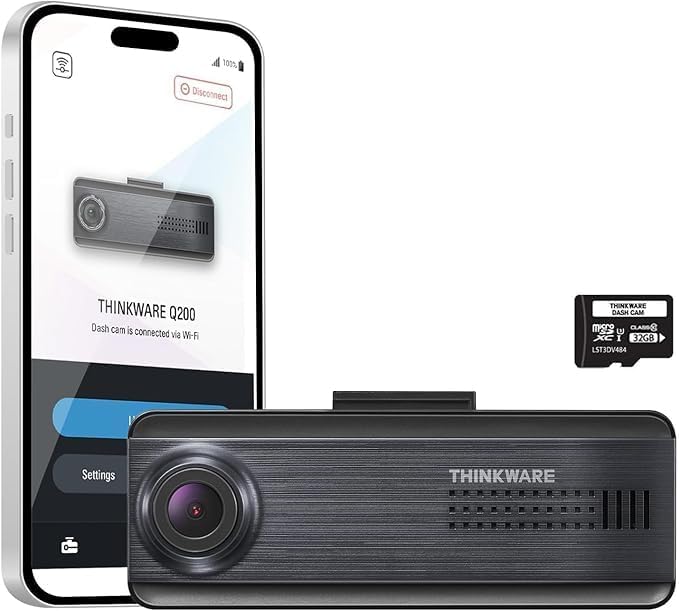
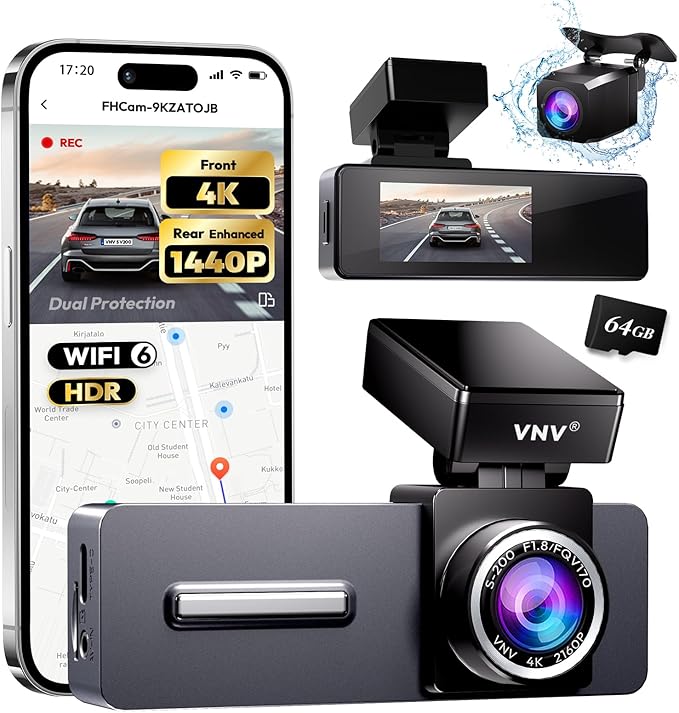
VNV 4K+2.5K Dash Cam Front and Rear (GalaxyCore Sensor)
This one is a 2-channel front/rear setup — no interior camera — but I'm including it because some Lyft drivers in strict two-party consent states (more on that below) deliberately choose not to record cabin audio or video and instead want strong front+rear coverage for collision claims. If that's your situation, the VNV is a solid budget alternative to the 622GW: 4K front, 2.5K rear, included 64GB card, and parking mode support. Skip it if you actually want passenger documentation.
VNV 4K+2.5K Front and Rear Dash Cam on Amazon
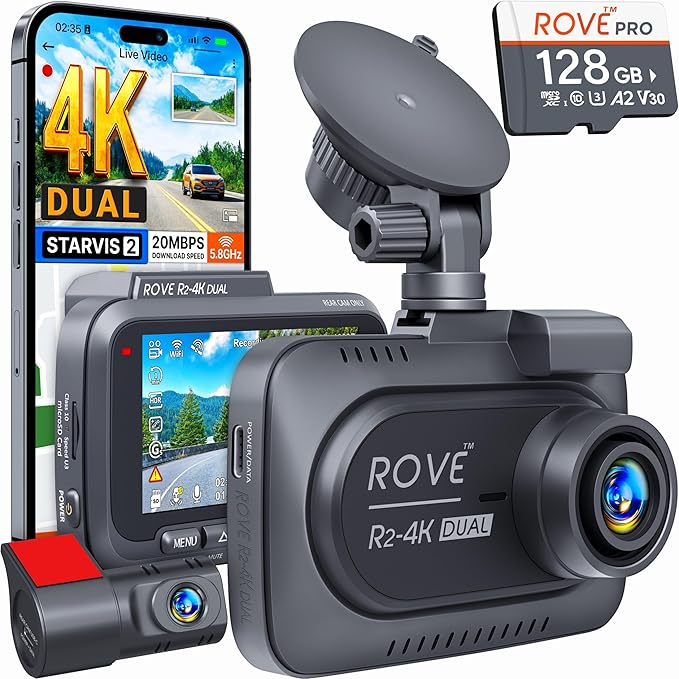
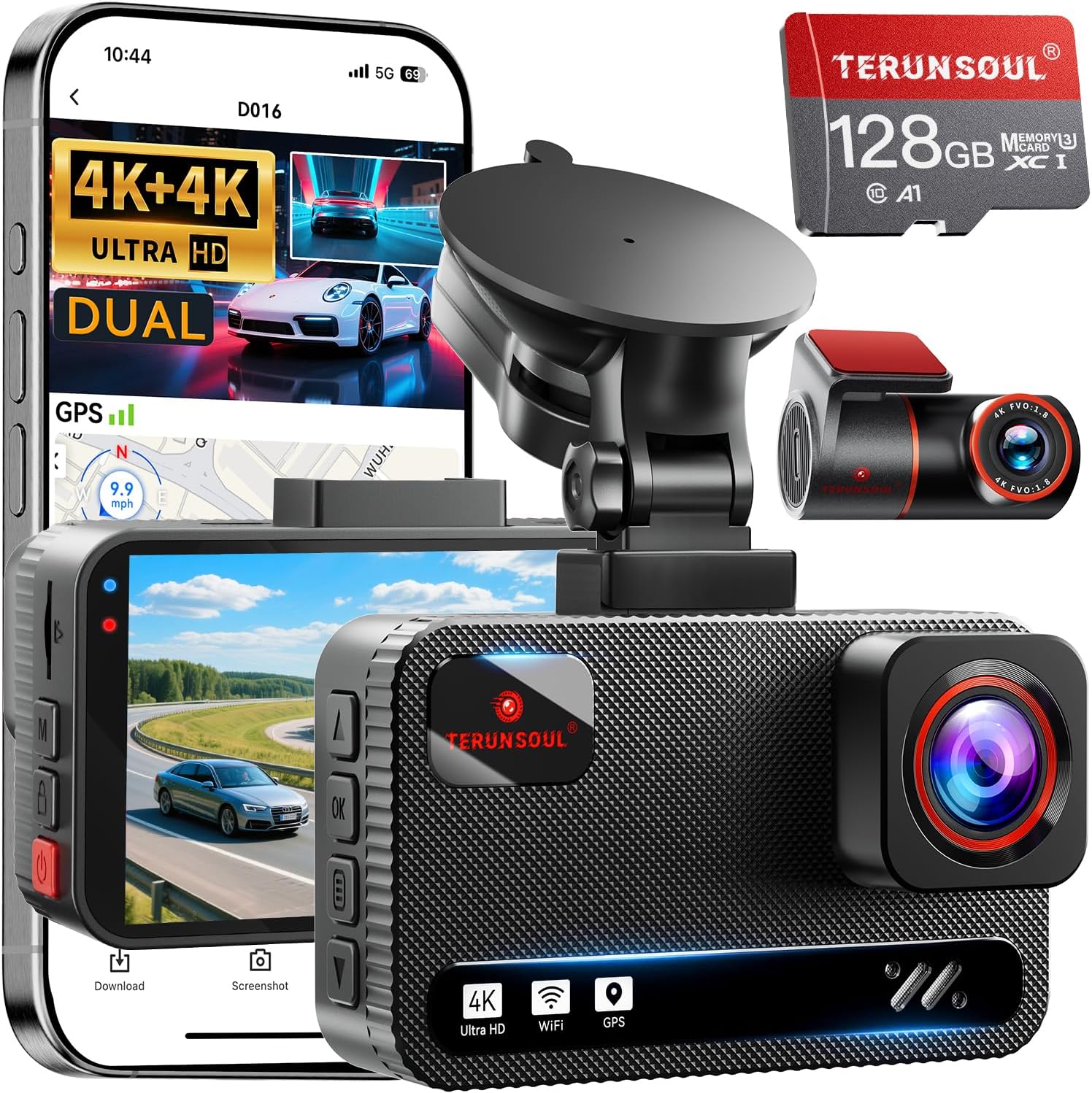
ROVE R2-4K DUAL (STARVIS 2, 128GB)
The ROVE R2-4K DUAL is the closest spiritual competitor to the Nextbase 622GW at roughly a third of the price. It's also 2-channel (front + rear, no interior), but with STARVIS 2 on both lenses and a 128GB card included. If after reading this article you decide the 622GW's appeal is real but the price is not, the ROVE R2-4K is what to buy instead. Pair it with a clip-on cabin mic if you want passenger audio without an interior camera.
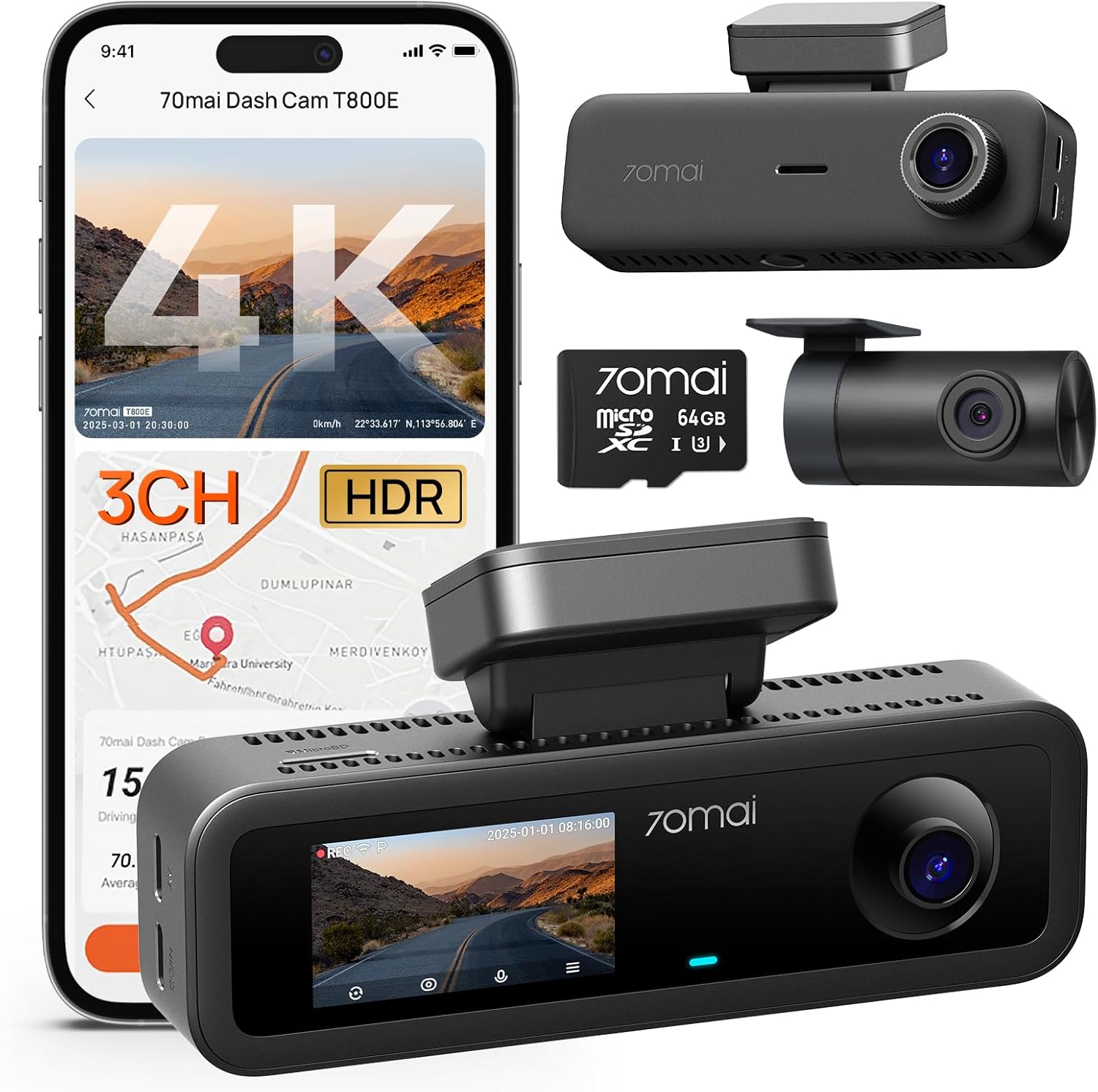
REDTIGER 4K Front and Rear (STARVIS 2)
REDTIGER's 4K front-and-rear unit is the perennial Amazon best-seller in this category and is a reasonable Plan B for Lyft drivers who want a known-quantity 2-channel camera and are willing to add a separate interior camera later. The STARVIS 2 sensor handles the bar-closing-time-pickup lighting situation well, and the app is more polished than most budget brands. Again, no native interior view — if cabin documentation is the goal, prefer the N4 Pro S.
REDTIGER 4K Front and Rear Dash Cam on Amazon
The legal piece: one-party vs two-party consent for passenger audio
This is where most rideshare dash cam guides fall down, and it's why hardware alone doesn't answer the nextbase 622gw vs vantrue n4 for lyft drivers recording passenger audio question. Audio recording laws vary by state in the U.S.:
- One-party consent states (most states, including Texas, New York, Ohio, Georgia, Virginia, North Carolina, and ~38 others): you, the driver, are a party to the conversation, so your consent is enough. You can legally record audio inside your car.
- Two-party / all-party consent states (California, Florida, Illinois, Massachusetts, Maryland, Montana, New Hampshire, Pennsylvania, Washington, Connecticut, Delaware, Oregon for in-person): every party in the conversation must consent. You must notify passengers that audio is being recorded.
The practical solution in two-party states is a small sticker on the rear-facing window or B-pillar: "This vehicle is monitored by video and audio recording for the safety of driver and passengers." Lyft itself has updated its driver policy to support this — disclosure stickers satisfy the consent requirement in nearly every two-party state. The Vantrue N4 series makes this easy because the interior camera and microphone are visibly mounted and a passenger can see them on entry, which courts have repeatedly held as constructive notice. The 622GW, mounted to the windshield and front-facing, gives no such visible cue.
If you want a deeper walkthrough of state-by-state rules, see our companion guide on best dash cams for Uber and Lyft drivers in 2026 and the dash cam audio recording laws by state reference.
Real-world install notes for rideshare
A few things I wish someone had told me before installing a 3-channel cam for Lyft work:
- Hardwire it. The cigarette lighter port will fail you on a 10-hour shift. A $20 hardwire kit gives you parking mode and frees the 12V outlet for phone charging. Vantrue's official kit voltage-monitors so it won't drain your battery.
- Use a high-endurance microSD. 3-channel 4K eats cards. Buy a 128GB or 256GB card rated for dash cam / security camera use (Samsung Pro Endurance, SanDisk High Endurance). Consumer cards die in 6 weeks.
- Position the interior cam on the windshield, not the rearview mirror. Mounting near the rearview gives you the cleanest backseat view and the best mic line to the cabin.
- Test your audio before your first shift. Sit in the backseat and talk at normal volume with the engine running and HVAC on medium. Listen to the playback. If you can't make out words, reposition the camera 2–3 inches forward.
For a longer install walkthrough see how to hardwire a dash cam for rideshare.
Frequently Asked Questions
Does the Nextbase 622GW record interior cabin audio at all?
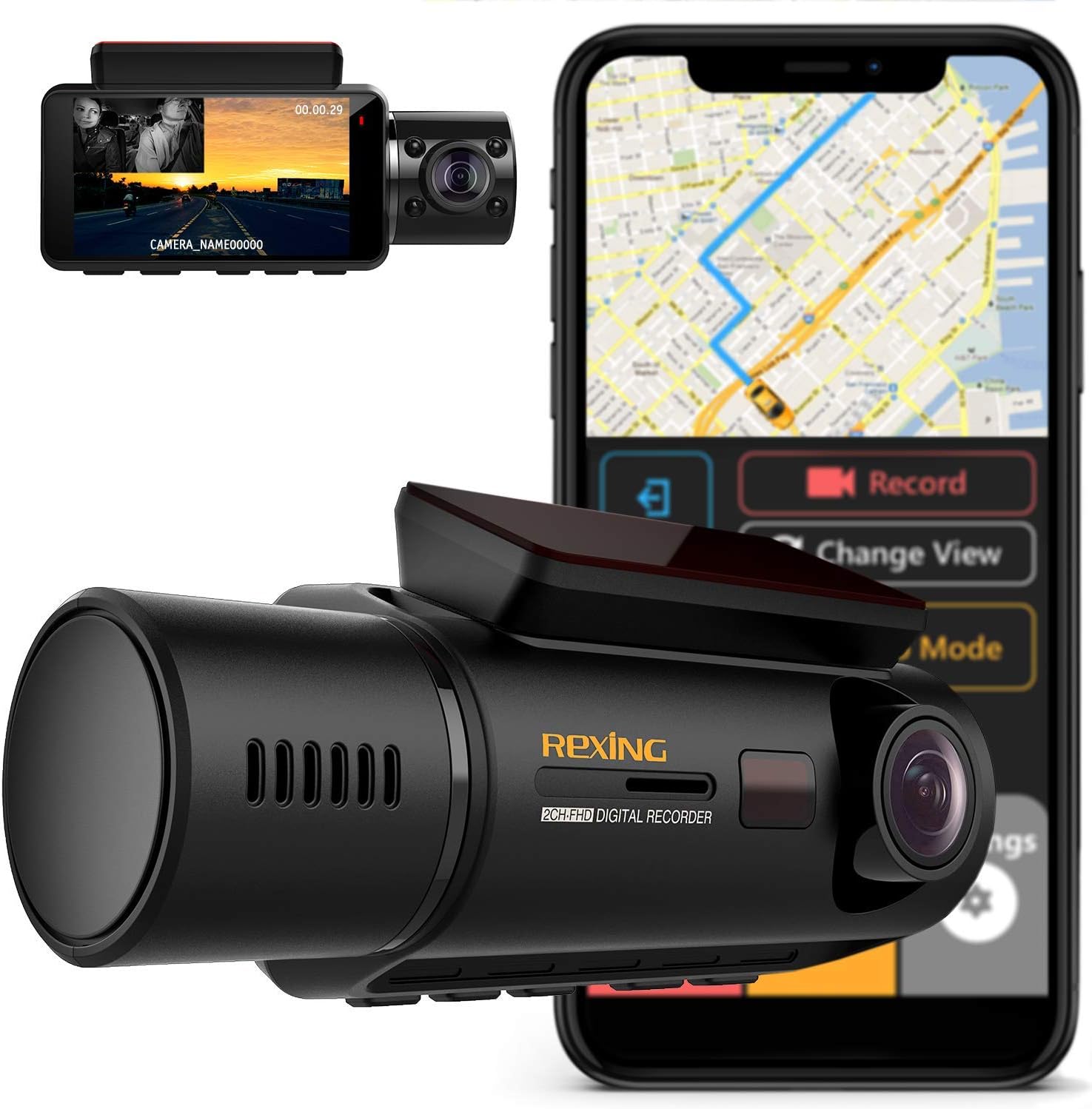
It records audio from a single microphone built into the front-facing camera body. In practice, that mic picks up engine noise, wind, and the driver's voice clearly, but backseat passenger speech is muffled and often unintelligible — especially with HVAC running. It is not a viable cabin audio solution for Lyft drivers.
Can I add an interior camera to the Nextbase 622GW?
No. Nextbase's modular system lets you add a rear-window camera to the 622GW, but there is no first-party interior cabin module. A few drivers run a second standalone interior camera alongside the 622GW, but at that point you've spent more than a Vantrue N4 Pro S and you're managing two separate footage libraries.
Is the original Vantrue N4 still worth buying in 2026, or should I go straight to the N4 Pro S?
If you find a new original N4 under $200, it's still a solid buy and shares the same physical mount and cabling as the Pro S. But the Pro S's STARVIS 2 sensors are a meaningful nighttime upgrade for the bar-close pickup window when most incidents happen, so at MSRP the Pro S is the better long-term purchase.
Will recording passenger audio get me deactivated from Lyft?
No, as long as you comply with your state's consent laws and Lyft's policy on disclosing recording to passengers. Lyft explicitly allows dash cams and audio recording in driver-owned vehicles. Deactivations have historically come from drivers who posted passenger footage publicly to social media, not from recording itself.
How long can the Vantrue N4 Pro S record before overwriting?
With the included or recommended 256GB microSD card, expect roughly 8–10 hours of continuous 3-channel 4K loop recording before the oldest files are overwritten. Locked event files (triggered by G-sensor or manual button press) are preserved separately and survive the loop.
Do I need to tell passengers verbally about the camera, or is a sticker enough?
In every two-party-consent state that has ruled on this, a clearly visible notice — sticker on the window plus a visibly mounted interior camera — has been held sufficient. A verbal heads-up at pickup is good practice but not legally required in most jurisdictions. Check your specific state's wiretap statute and update your disclosure annually.
Is there a single-purchase alternative that beats both the 622GW and N4 for Lyft work?
The N4 Pro S is currently the best single-purchase solution. If you want to spend more, the Vantrue Element 3 Pro adds 4K on all three channels plus LTE upload for real-time incident streaming. If you want to spend less, the included-128GB 3-channel kit listed above gives you 80% of the N4's capability for roughly half the price.
Bottom line
For the specific question of nextbase 622gw vs vantrue n4 for lyft drivers recording passenger audio: buy the Vantrue N4 Pro S, hardwire it, run a 256GB high-endurance card, post a recording disclosure sticker on your rear window, and stop worrying about disputed fares. The 622GW is a beautiful camera for someone who isn't driving Lyft. For the rideshare job specifically, the N4 family was built for this and the 622GW wasn't. For broader category context see our best dash cams of 2026 roundup.
Key Takeaways
- Choosing the right nextbase 622gw vs vantrue n4 for lyft drivers recording passenger audio means matching capacity and output ports to your actual devices
- Always check actual watt-hours (Wh), not just watts — runtime depends on Wh, not peak output
- Also covers: nextbase 622gw vs vantrue n4 rideshare
- Also covers: best dash cam lyft interior audio
- Also covers: lyft driver dashcam cabin recording
- Compare price-per-Wh across models to find the best value for your budget