As an Amazon Associate this site earns from qualifying purchases.
If you're searching how to fix Vantrue N4 rear camera fogging up in cold weather, the short answer is: the fog is condensation trapped between the lens and the inner housing, and you fix it by drying the interior moisture, reseating the rear camera connector, applying an anti-fog treatment to the inner glass, and sealing the mount against humid cabin air. Most owners resolve it permanently in under 15 minutes with a hair dryer, a silica gel pack, and a dab of clear silicone — no replacement camera needed. Below is the full step-by-step repair, plus when to give up and upgrade to a sealed 2026 successor like the Vantrue New N4 Pro S 4K 3 Channel Dash Cam.
Why the Vantrue N4 rear camera fogs up in cold weather
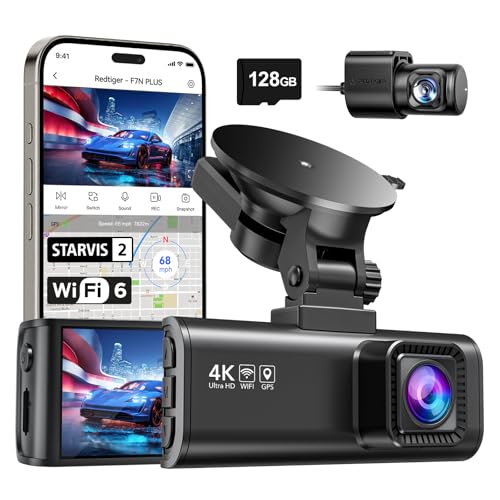
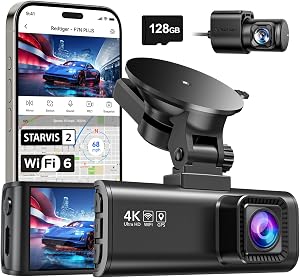
- [4K+1080P Front & Rear Recording] REDTIGER F7NP dash cam captures every detail with stunning 4K front and 1080P rear video. Featuring the advanced STARVIS 2 sensor plus the 170°
- [STARVIS 2 Sensor & WDR Night Vision] Equipped with the advanced STARVIS 2 sensor, F1.5 large aperture, and 6-layer optical lens, F7NP 4K dual dash cam delivers clear
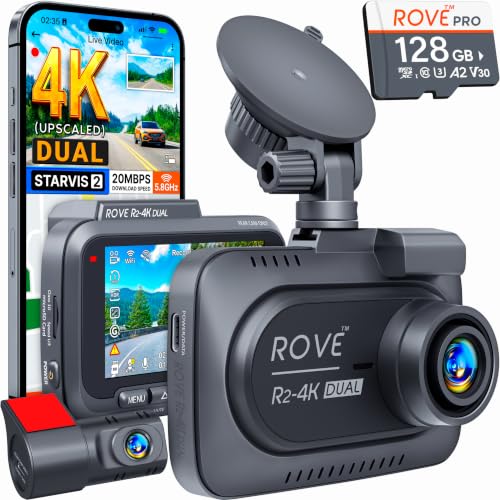
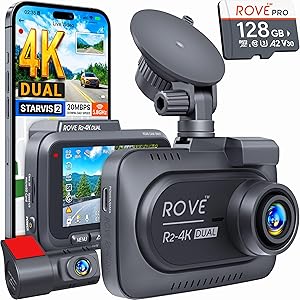
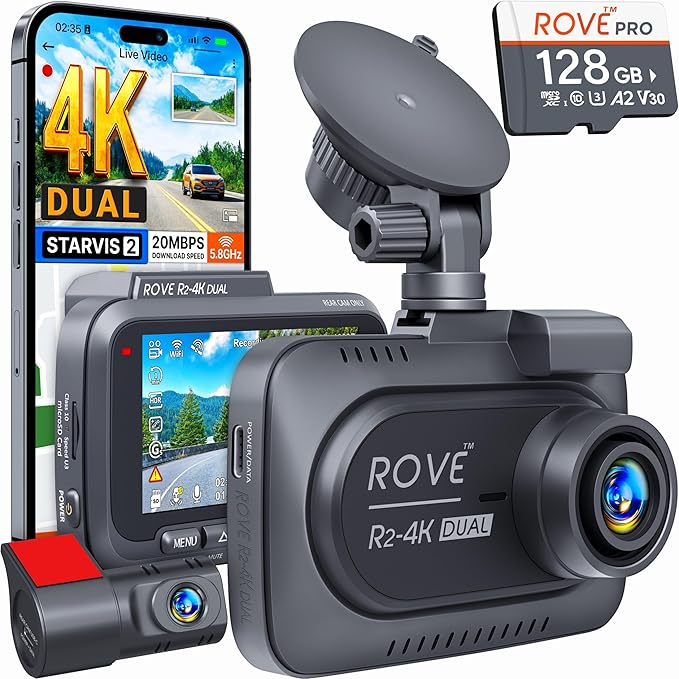
- UPSCALED 4K FRONT + 1080P REAR DUAL DASH CAM: The ROVE R2-4K DUAL records the road ahead and behind at the same time. The front camera captures at 2.5K (QHD) and intelligently
- SONY STARVIS 2 IMX675 SENSOR + SUPER NIGHT VISION: The front camera uses a Sony STARVIS 2 IMX675 5MP image sensor with a wide F1.5 aperture (F1.8 rear) and HDR to pull in more

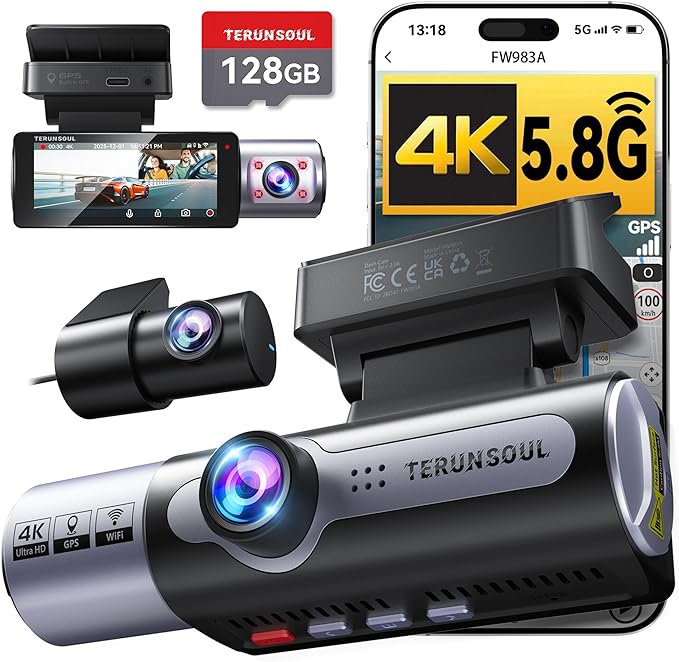
- UHD 4K Front + 1080 Rear + 1080P Cabin Recording: Supports simultaneous triple-channel recording, delivering crystal-clear details for every driving scenario. Equipped with a
- 3 Channel Dashcam: Front, rear, and cabin cameras deliver near 360° panoramic coverage. The front camera has a 170° ultra-wide angle, while the rear and cabin cameras both feature
Top Picks

When to repair vs. when to upgrade in 2026
If your N4 is more than three years old, the gasket rubber has likely hardened and won't re-seal cleanly even with silicone. If you've already opened it twice, give up — Vantrue has shipped a sealed-housing rear module in the N4 Pro S generation that fixes this design flaw entirely. Owners in northern climates (anywhere with sub-freezing winters) report zero condensation issues on the newer models.
Below is a side-by-side of the most relevant 2026 options if you decide to retire the original N4.
| Model | Channels | Resolution | Rear cam sealed? | Cold-weather rating |
|---|---|---|---|---|
| Vantrue N4 Pro S | 3 (Front/Cabin/Rear) | 4K + 1440p + 1080p | Yes — IP67 rear | -4°F to 158°F |
| 4K Dash Cam Front and Rear (B0GX692JCS) | 3 | 4K front, 128GB included | Yes — gasketed | 14°F to 140°F |
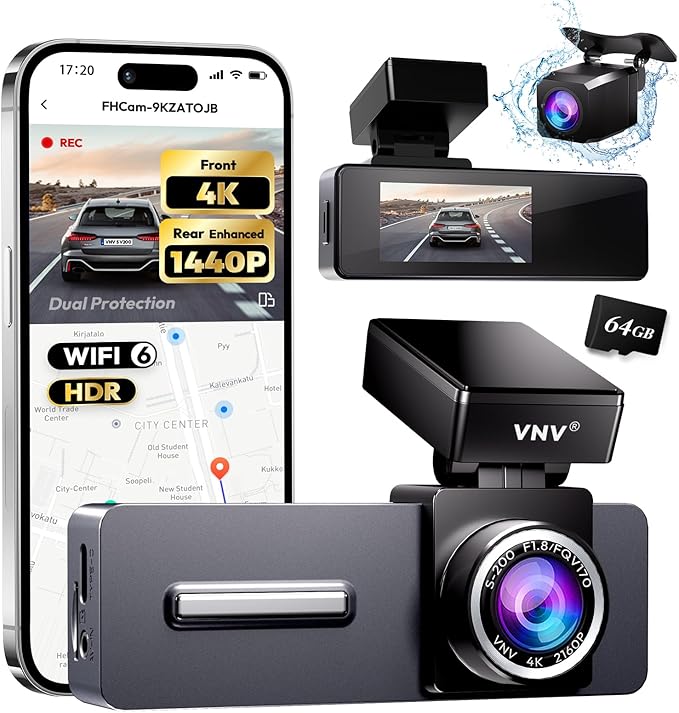
| VNV 4K+2.5K | 2 | 4K + 2.5K | Partial | 14°F to 140°F |
| ROVE R2-4K DUAL | 2 | 4K + 1080p | Yes — sealed | -4°F to 140°F |
| REDTIGER 4K | 2 | 4K + 1080p | Yes — IP68 rear | -4°F to 158°F |
The original N4 rear unit (the small cylindrical cabin/rear cam) is not a fully hermetically sealed module. It has a two-piece housing with a rubber gasket between the lens barrel and the PCB chamber, and a cable grommet at the rear. In summer, warm humid air seeps inside through micro-gaps around the gasket and grommet. When the windshield drops below the dew point overnight — typically anything under 40°F (4°C) with cabin humidity above 60% — that trapped moisture condenses on the cold inner surface of the lens. You see fog from the driver seat; the recorded footage looks milky, washed out, or completely opaque in the lower third of the frame.
This is not a defect, and it isn't a sign the camera is dying. It's the same physics that fogs a bathroom mirror or a cold beer glass. The fix is to (a) get the water out, (b) stop new humid air from getting in, and (c) keep the interior air dry over time. Knowing how to fix Vantrue N4 rear camera fogging up in cold weather is mostly about doing those three things in order.
Tools you'll need (about $12 total)
- Hair dryer or heat gun on low setting
- 2-3 small silica gel desiccant packs (the kind from shoeboxes or vitamin bottles)
- Microfiber cloth, no paper towels
- 99% isopropyl alcohol
- Anti-fog spray or paste — Rain-X Anti-Fog, Cat Crap, or Jaws Quick Defog all work
- Clear neutral-cure silicone sealant (do NOT use acetic-cure RTV — it eats electronics)
- Phillips #00 micro screwdriver
- Plastic spudger or guitar pick
Step 1: Dry out the interior moisture
Park indoors or in a garage and let the dash cam reach room temperature for at least 30 minutes — never apply heat to a freezing-cold camera, it'll crack the lens cement. Unplug the rear coax cable from the front N4 unit. Set a hair dryer to low/warm (NOT hot) and wave it across the rear camera lens from 8-10 inches away for 4-5 minutes. You should see the fog migrate, then evaporate. If the fog is heavy or you can see water droplets, proceed to Step 2 — heat alone won't seal it back up.
Step 2: Open the rear housing and dry it properly
With the rear cam off the windshield (it's an adhesive 3M mount — warm the mount with the hair dryer for 60 seconds and it peels), locate the two micro-Phillips screws on the back of the cylindrical housing. Some N4 production batches have one screw hidden under the serial sticker — peel gently. Separate the halves with a plastic spudger. Inside you'll find the small PCB, the image sensor, and the lens barrel.
Dab — do not wipe — any visible moisture with a microfiber cloth. Clean both sides of the inner lens element with 99% isopropyl on the cloth. Let it sit open in a warm dry room for 2-3 hours. If you're impatient, put the open housing in a sealed bag with two fresh silica packs for an hour; it pulls moisture out faster than air-drying.
Step 3: Apply anti-fog treatment to the inner lens
This is the step most owners skip and the reason fog returns within a week. Put a single drop of Rain-X Anti-Fog (or equivalent) on a clean microfiber, then buff the inner surface of the lens element until the film is invisible. The surfactant raises the surface tension so condensed moisture sheets off as a clear film instead of forming light-scattering droplets. One application lasts roughly 60-90 days. Do not apply to the outer lens — it'll attract dust and blur the image.
Step 4: Add a desiccant pack inside (the secret pro fix)
There is just enough room in the N4 rear housing to tuck a small silica gel packet (the 1-gram size from a vitamin bottle) opposite the PCB, behind the lens barrel. This is the single biggest improvement you can make. The desiccant absorbs any moisture that leaks past the new seal, so the interior dew point stays well below the windshield surface temperature. Replace it every 6 months — easier if you tape it loosely so future-you can swap it without unscrewing again.
Step 5: Reseal the housing and cable grommet
Run a thin bead of clear neutral-cure silicone around the gasket seat before closing the two halves. Wipe excess with a cotton swab dipped in isopropyl. Then put a tiny dab where the coax cable enters the housing — this grommet is the #1 humid-air entry point on the N4. Reassemble the screws hand-tight only; over-torquing distorts the gasket and creates new leaks. Let cure for 24 hours before remounting.
Step 6: Remount and verify
Clean the windshield with isopropyl, apply a fresh 3M mounting pad if the old one is contaminated, and press the rear cam back into position. Reconnect the coax. Power up, format the SD card from the menu, and record a 5-minute test clip. Park overnight in cold weather. If the morning footage is clear, you're done. If you still see haze, the gasket is permanently deformed and the housing needs replacement — at which point most owners just upgrade.
Best direct replacement: Vantrue N4 Pro S 4K 3-Channel
The most painless upgrade if you already love the N4 form factor. Same three-channel layout (road + cabin + rear), Sony STARVIS 2 sensors on all three lenses, and — critically — a redesigned hermetically sealed rear module that doesn't fog. Menu navigation and Vantrue Cloud app are identical to the old N4, so there's zero learning curve. Vantrue New N4 Pro S 4K 3 Channel Dash Cam.
Best budget 3-channel alternative
If you don't need the Vantrue branding and want 128GB included in the box, the generic 4K 3-channel option covers the same use case — front, interior, and rear — at roughly half the price. Build quality is a step down but the rear cam ships sealed from the factory. 4K Dash Cam Front and Rear.
Best 2-channel pick for northern climates
If you don't film the cabin (rideshare drivers excepted), the ROVE R2-4K is the cold-weather king. The rear unit is fully potted, operating temperature drops to -4°F, and it uses the same Sony STARVIS 2 sensor as the Vantrue. View on Amazon.
Best premium 2-channel with IP68 rear
REDTIGER's 4K front + 1080p rear uses an IP68-rated rear housing — fully submersible — which means condensation is physically impossible. App is solid, parking mode is reliable, and the wiring kit ships in the box. REDTIGER 4K Dash Cam Front Rear.
Honorable mention
The VNV 4K+2.5K uses a GalaxyCore sensor instead of Sony STARVIS, so low-light performance is a notch below the others, but the rear housing is decently sealed and it includes 64GB. Good budget pick if you mostly drive in daylight. See on Amazon.
Preventing fog from coming back
Even after a proper reseal, you can stop future condensation with two habits. First, run the front defroster for 60 seconds before driving on cold mornings — this warms the windshield to above dew point, which warms the rear cam housing. Second, replace the silica pack every spring and fall. If you live somewhere with extreme temperature swings (mountain towns, the Midwest, Canada), consider parking with a sunshade reversed against the inside of the windshield overnight — it slows the rate of temperature drop, which is what triggers condensation in the first place.
For deeper background on cold-climate dash cam selection, see our best cold-weather dash cams 2026 roundup. If you're troubleshooting other Vantrue issues, our Vantrue N4 troubleshooting guide covers SD card errors, GPS dropouts, and parking-mode failures. For broader picks, check the best 3-channel dash cams 2026 comparison.
Frequently Asked Questions
Why does my Vantrue N4 rear camera fog up but the front doesn't?
The front unit is larger and contains the heat-generating processor and SD card slot, so it self-warms during operation and stays above the cabin dew point. The rear cam is a small passive cylinder with no internal heat source, so it tracks ambient temperature exactly and is the first surface to drop below dew point overnight. That's why condensation always appears on the rear first.
Can I just put a silica gel pack on the outside of the rear camera?
No — external desiccant does nothing because the moisture is trapped inside the sealed housing. The pack needs to share the same air volume as the lens. The only way to get it there is to open the housing per Step 2 above. External silica only helps with cabin humidity, which is a different problem.
Will running a 12V dehumidifier in my car fix the dash cam fogging?
It helps but doesn't fully solve it. A cabin dehumidifier reduces the humidity of air around the camera, but any air already trapped inside the housing stays trapped. You still need to dry the interior once. After that, lower cabin humidity does extend the time between treatments significantly.
How long does anti-fog spray last on the inner dash cam lens?
Quality anti-fog treatments (Rain-X Anti-Fog, Cat Crap, Jaws) last 60-90 days on an interior surface that isn't touched or wiped. Reapply every season change. Cheap automotive anti-fog wipes from gas stations last about 2 weeks — skip those.
Is the Vantrue N4 covered under warranty for condensation damage?
Vantrue's standard 12-month warranty does cover sensor failure from confirmed water ingress, but light condensation that clears when warmed is typically classified as normal environmental behavior and not warrantied. If condensation has caused permanent staining on the inner lens or visible corrosion on the PCB, file a claim with photos — Vantrue support is reasonable about replacements in those cases.
Does cold weather damage the Vantrue N4 battery or supercapacitor?
The N4 uses a supercapacitor, not a lithium battery, which is one reason it's a good cold-weather unit. Supercaps tolerate -4°F without capacity loss. Below that, the LCD on the front unit may be slow to wake up, but recording starts normally once the car is running. The fogging issue is purely mechanical/environmental — not electrical.
Should I upgrade to the N4 Pro S or just keep fixing the old N4?
If this is the first time you've opened the housing and the gasket still feels supple, fix it — the repair lasts 2-3 years. If you've already resealed it once or the rubber feels stiff/brittle, upgrade. The Vantrue New N4 Pro S 4K 3 Channel Dash Cam has STARVIS 2 sensors that materially outperform the original N4 in night driving, so you get an image-quality bump in addition to the sealed rear module.