If you run a small commercial fleet, the best dash cam with cloud storage for fleet managers with 10 vehicles in 2026 is a 4K front+rear (or 3-channel) camera paired with a dedicated LTE/Wi-Fi cloud uplink — either a built-in SIM module from a SaaS provider like Samsara, Motive, Lytx or Nexar Fleet, or a consumer 4K dash cam (ROVE R2-4K DUAL, Vantrue N4 Pro S, REDTIGER) tethered to a rugged in-cab LTE hotspot that auto-uploads incident clips to S3, Google Drive, or a fleet portal. For 10 vehicles, the sweet spot is roughly $180–$450 per camera plus $15–$35/vehicle/month for connectivity and cloud retention. Below we break down the exact hardware, the cloud architecture, and a rollout playbook tuned for a 10-vehicle operation.
What "cloud storage" actually means for a 10-vehicle fleet
Before picking hardware, separate two very different products that both get marketed as "cloud dash cams":
- True fleet telematics cameras (Samsara CM32, Motive AI Dashcam, Lytx DriveCam, Nexar Fleet, SureCam) — built-in LTE modem, AI-driven event detection (harsh brake, tailgating, distracted driving), driver scorecards, and a managed cloud portal. Per-vehicle SaaS pricing, multi-year contracts, but minimal IT work.
- Consumer 4K dash cams + your own cloud pipe — devices like the Vantrue N4 Pro S, ROVE R2-4K DUAL, or REDTIGER 4K. Local recording to microSD, plus Wi-Fi auto-upload of flagged clips to a paired phone or an in-cab LTE hotspot (Pepwave MAX BR1, Cradlepoint IBR200) that pushes to S3 or Google Drive. Cheaper per unit, more flexible, but you own the integration.
For exactly 10 vehicles, the hybrid path — consumer 4K cameras + a lightweight cloud uploader — is usually the most cost-effective. You get 4K evidence-grade footage, real cloud redundancy, and you avoid the $40–$60/vehicle/month SaaS bill that big fleet platforms charge. That said, if your insurer mandates AI coaching or you need DOT-compliant driver scoring, go straight to a true fleet platform.
Top picks: best dash cam with cloud storage for fleet managers with 10 vehicles
These five units all support 4K front capture, STARVIS or STARVIS 2 sensors for night driving, Wi-Fi auto-offload, and GPS — the four non-negotiables for fleet evidence. We've ranked them by total cost of ownership across a 10-vehicle deployment.
| Model | Channels | Front Sensor | Cloud Path | GPS | Best For | Approx. Unit Cost |
|---|---|---|---|---|---|---|
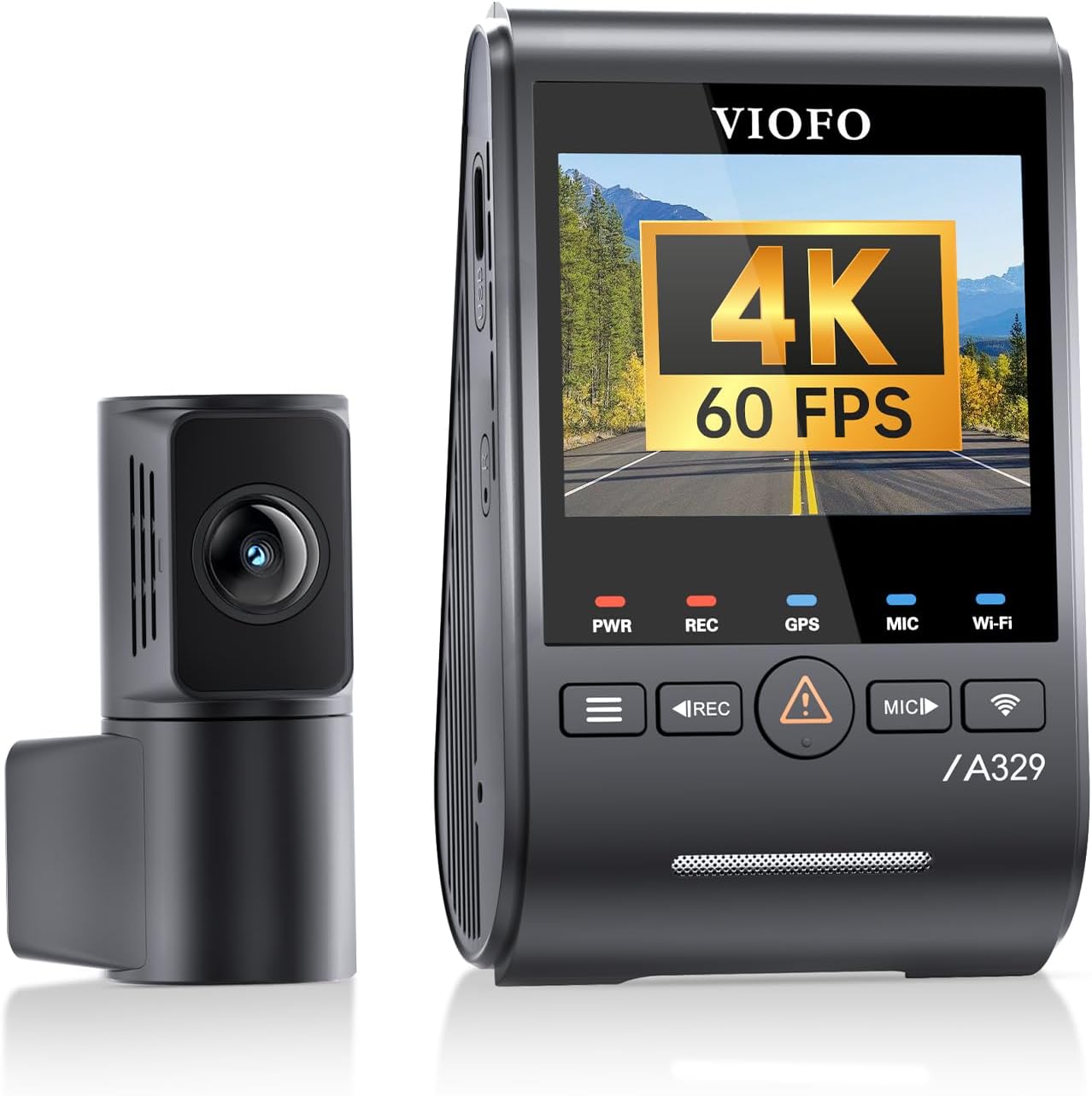
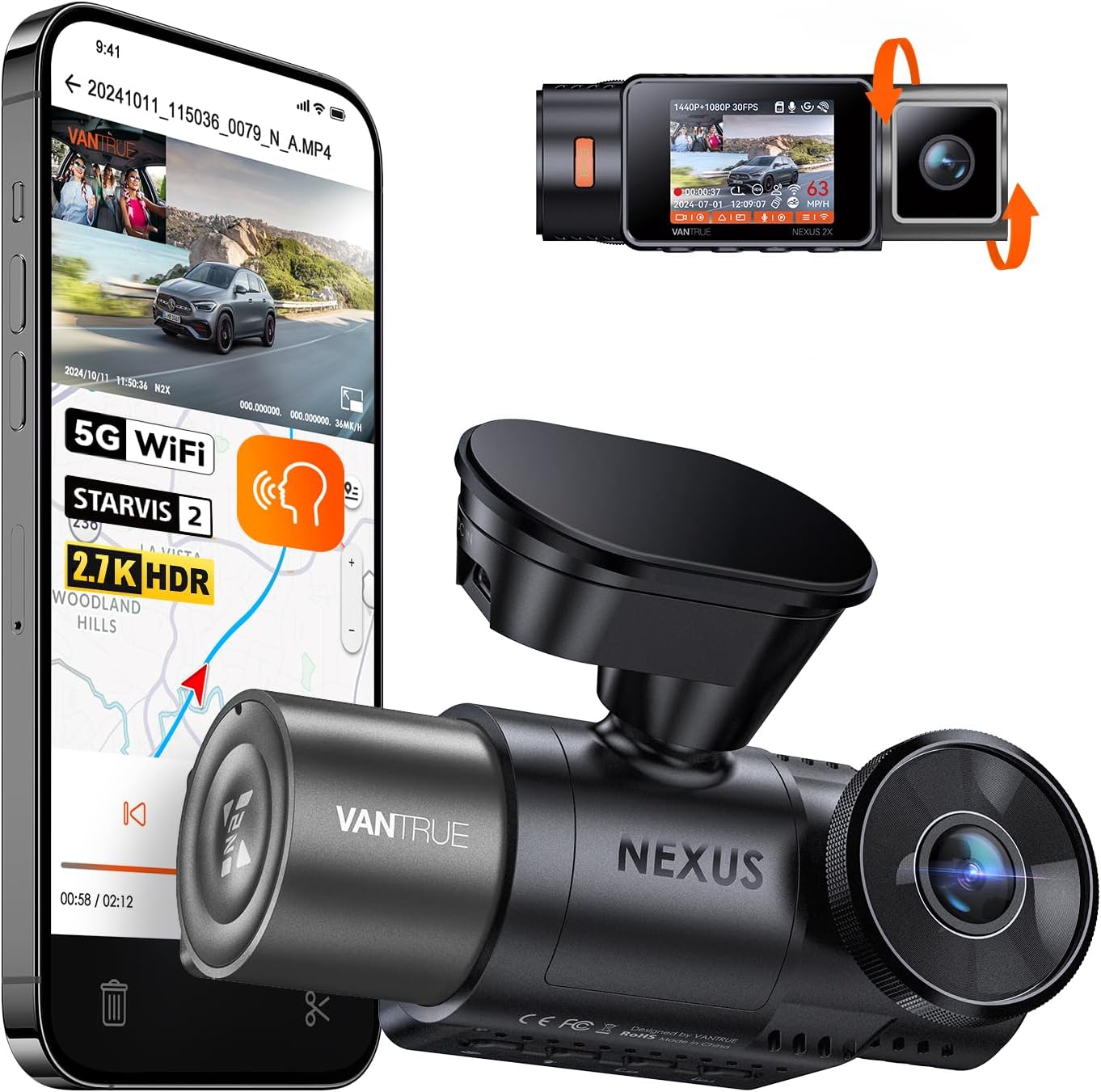
| Vantrue N4 Pro S | 3 (front/cabin/rear) | STARVIS 2 4K | Wi-Fi phone/hotspot S3 | Built-in | Rideshare + delivery fleets needing cabin view | $330–$380 |
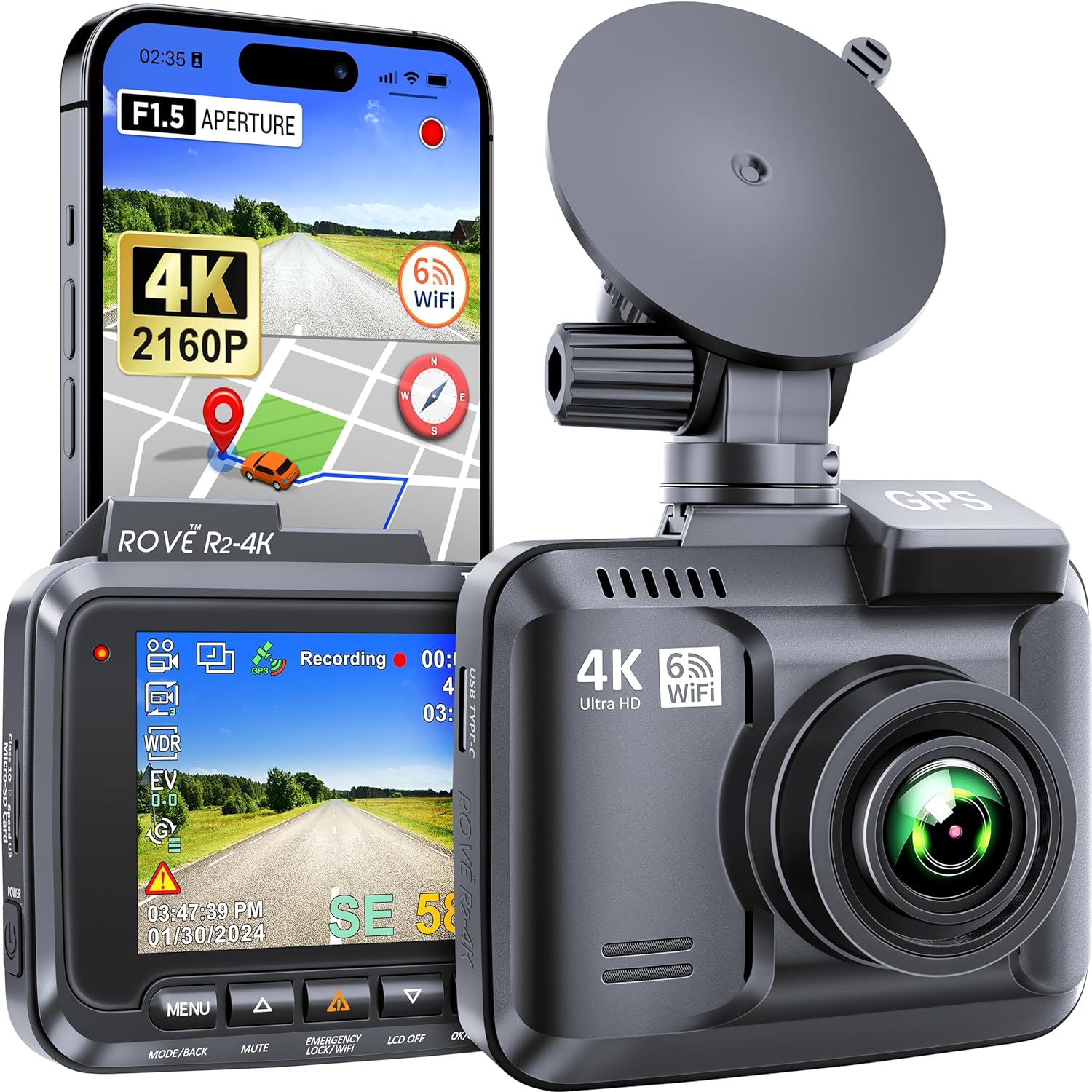
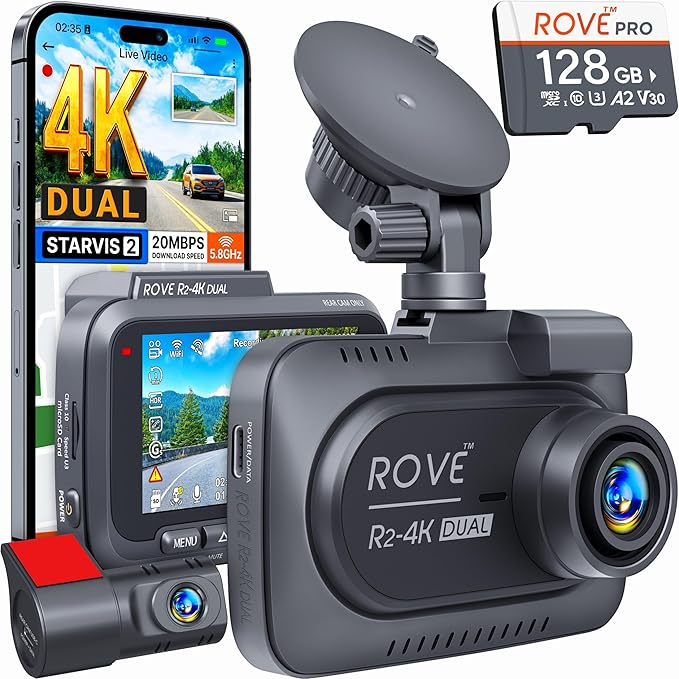
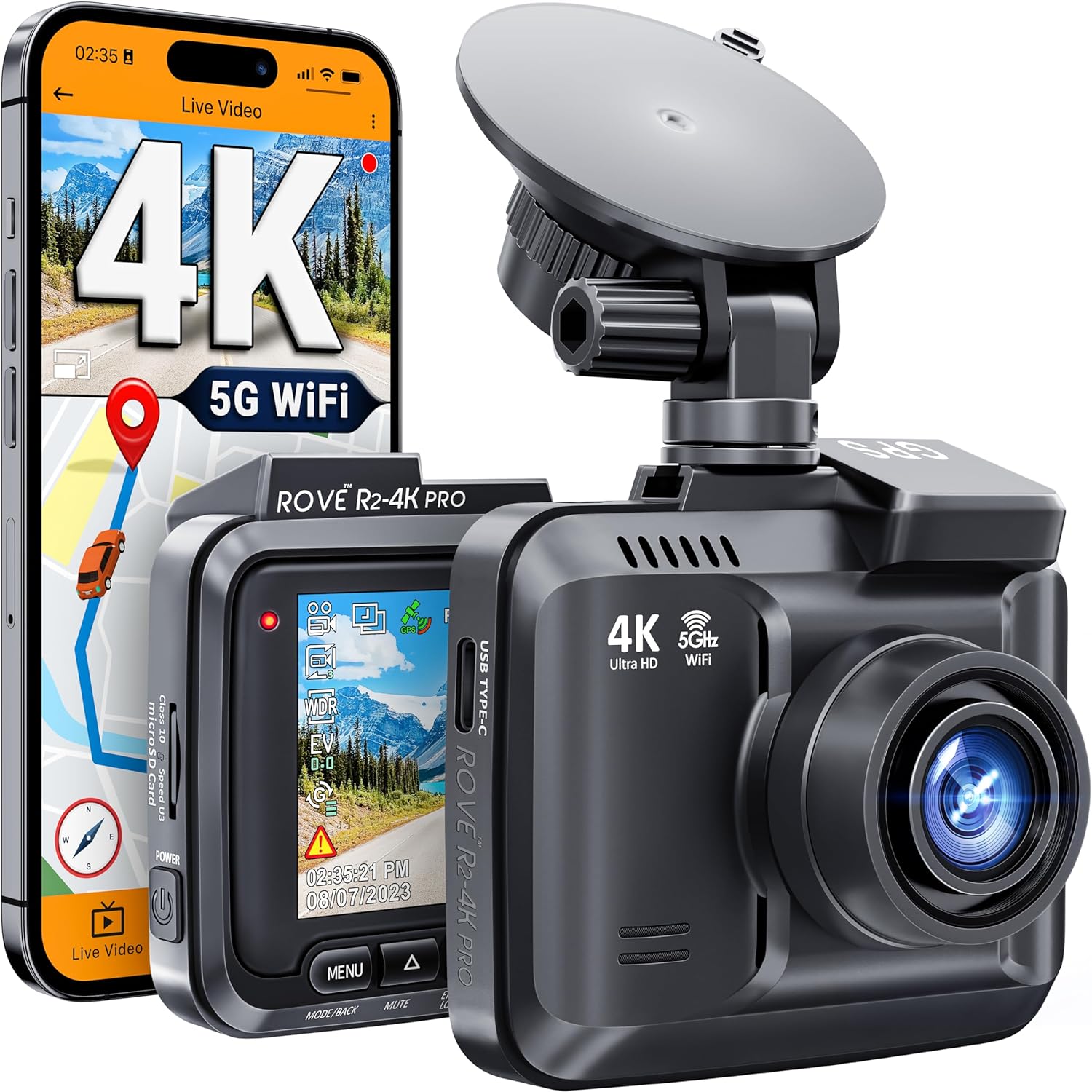
| ROVE R2-4K DUAL | 2 (front/rear) | STARVIS 2 4K | Wi-Fi auto-upload via app | Built-in | Best price/performance for 10 vans | $140–$170 |
| REDTIGER 4K F+R | 2 (front/rear) | STARVIS 2 4K | Wi-Fi + GPS app sync | Built-in | Mixed-vehicle fleets, easy install | $160–$200 |
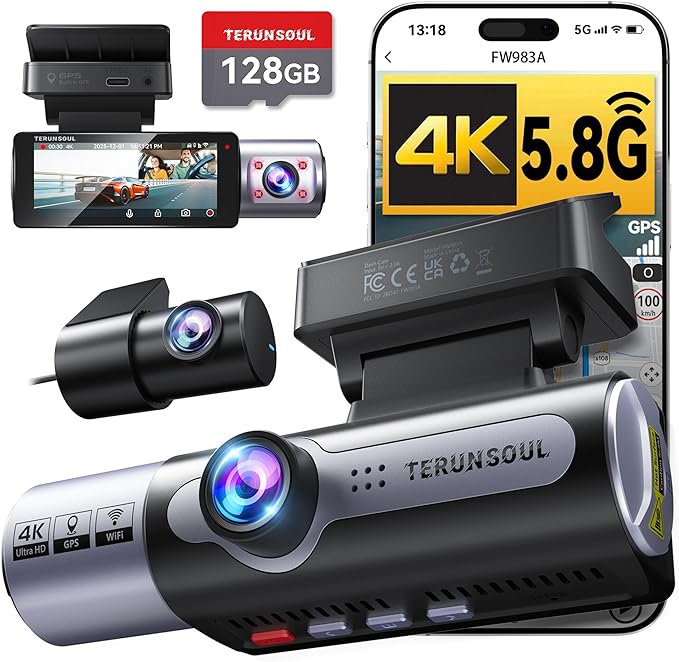
| Generic 4K 3-Channel (B0GX692JCS) | 3 (front/cabin/rear) | 4K Sony-class | Wi-Fi + 128GB local buffer | Built-in | Long-haul, multi-day retention | $110–$150 |
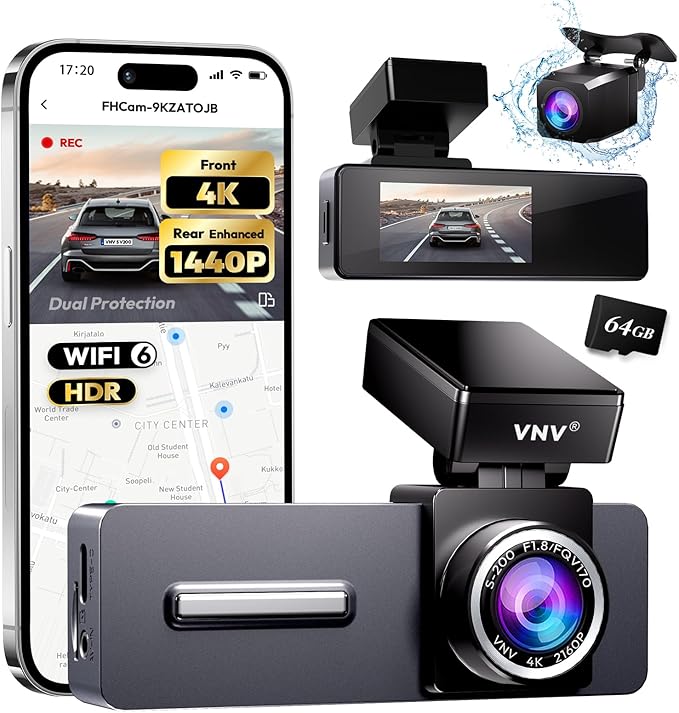
| VNV 4K+2.5K F+R | 2 (front/rear) | 4K GalaxyCore | Wi-Fi + 64GB local | Built-in | Budget rollout, light-duty vans | $90–$120 |
1. Vantrue N4 Pro S 4K 3-Channel — best overall for mixed fleets
The Vantrue N4 Pro S is the camera I'd put in 7 of 10 vehicles for a manager who wants evidence-grade footage and an interior cabin view (critical for rideshare, delivery, or any vehicle where a driver-blame dispute could cost you $50K+). Triple STARVIS 2 sensors give you genuinely usable night and tunnel footage, and the 4K front + 1080p cabin + 1080p rear combo is the current evidence gold standard. Wi-Fi 6 means clip offloads to a paired phone or an in-cab LTE hotspot finish in seconds. Pair it with a $40 Pepwave or a Calyx hotspot per vehicle and you've got a real cloud pipeline for a fraction of Samsara money. Check the Vantrue N4 Pro S on Amazon.
2. ROVE R2-4K DUAL — best value for a 10-vehicle rollout
If you're buying 10 cameras at once, unit price matters and the ROVE R2-4K DUAL is the value champ. STARVIS 2 sensors front and rear, real 4K capture, built-in GPS that timestamps every clip with speed and lat/long (huge for accident defense), and the ROVE app reliably auto-uploads flagged events to your phone over Wi-Fi. For a fleet manager who wants to spend $1,500 instead of $4,000 on hardware and pipe everything through a single in-cab LTE router, this is the pick. Pair it with a Wasabi or Backblaze B2 bucket and you'll spend under $5/vehicle/month on actual storage. Check the ROVE R2-4K DUAL on Amazon.
3. REDTIGER 4K Front and Rear — easiest install for non-technical drivers
REDTIGER has the cleanest install kit on this list — hardwire adapter, fuse taps, and a windshield mount that survives Phoenix summers. STARVIS 2 sensor gives clean night footage, and the companion app supports auto-upload to Google Drive and Dropbox folders, which is honestly the simplest cloud setup if you don't want to run your own S3 pipeline. For a manager onboarding drivers who aren't going to babysit a camera, REDTIGER + a shared Google Drive folder per vehicle is a 30-minute setup. Check the REDTIGER 4K on Amazon.
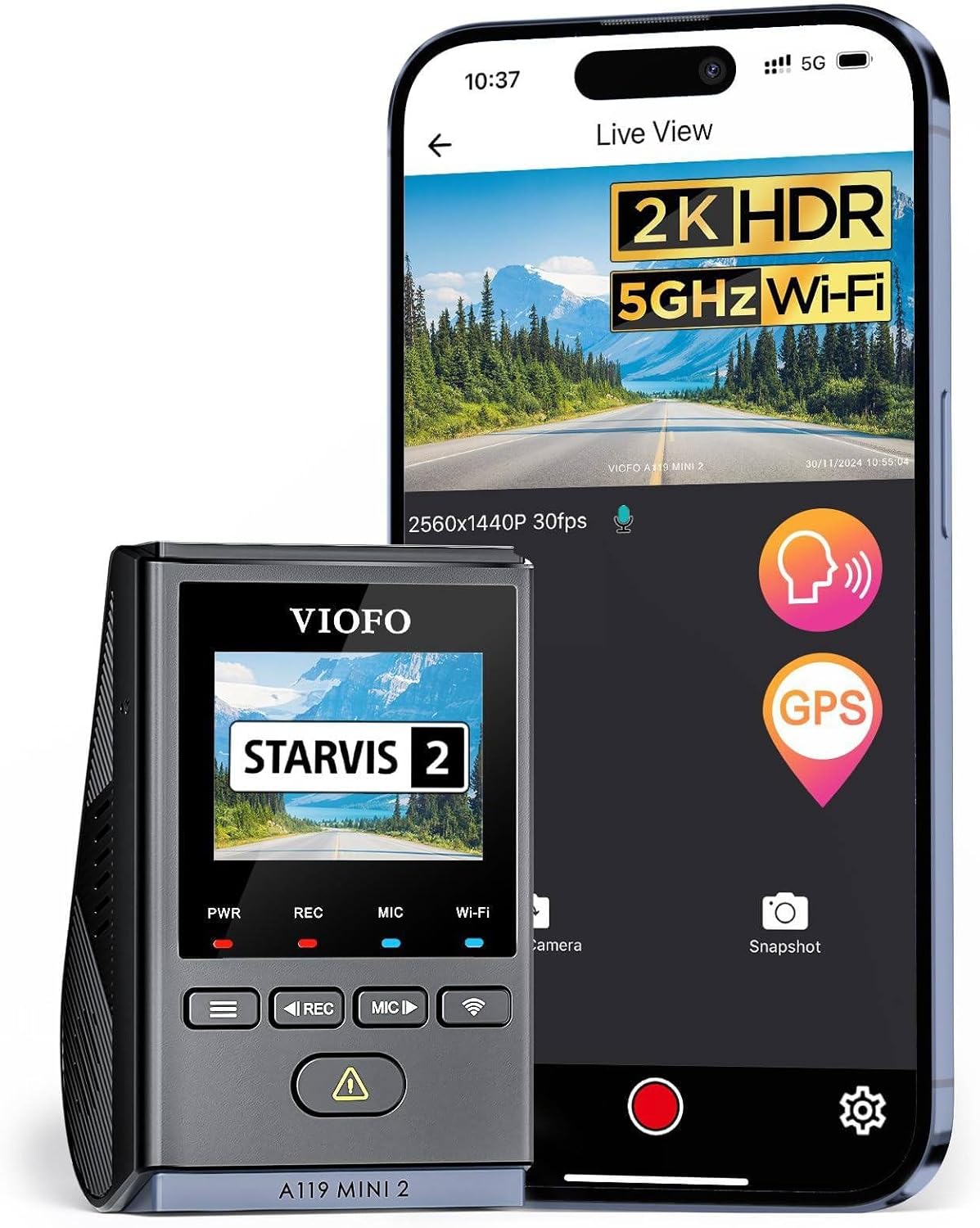
4. 4K 3-Channel with 128GB included — for long-haul retention
If any of your 10 vehicles run multi-day routes (long-haul, regional delivery, oil-and-gas service), local retention matters as much as cloud. This 3-channel 4K unit ships with a 128GB card pre-installed, which gets you 18–22 hours of loop-recorded 4K footage before overwrite — long enough that even a Friday-afternoon incident survives until Monday upload. Cloud sync runs over Wi-Fi when the truck returns to the yard. Check the 4K 3-Channel dash cam on Amazon.
5. VNV 4K+2.5K — budget pick if you're piloting before scaling
Not every fleet manager wants to commit $3K+ on hardware before validating the workflow. The VNV 4K front / 2.5K rear is the right call for a 2-vehicle pilot before you scale to all 10. It's not STARVIS 2, but the GalaxyCore sensor handles daytime and dusk footage cleanly, and the 64GB included card plus Wi-Fi upload is enough to prove out your cloud pipeline. Check the VNV 4K+2.5K on Amazon.
The cloud architecture: how to actually get footage off 10 trucks
This is where most fleet managers get stuck. The camera is the easy part — the upload pipeline is what separates a working fleet camera deployment from a graveyard of SD cards no one ever reads. Three patterns work in 2026:
Pattern A: In-cab LTE hotspot + S3/Wasabi bucket
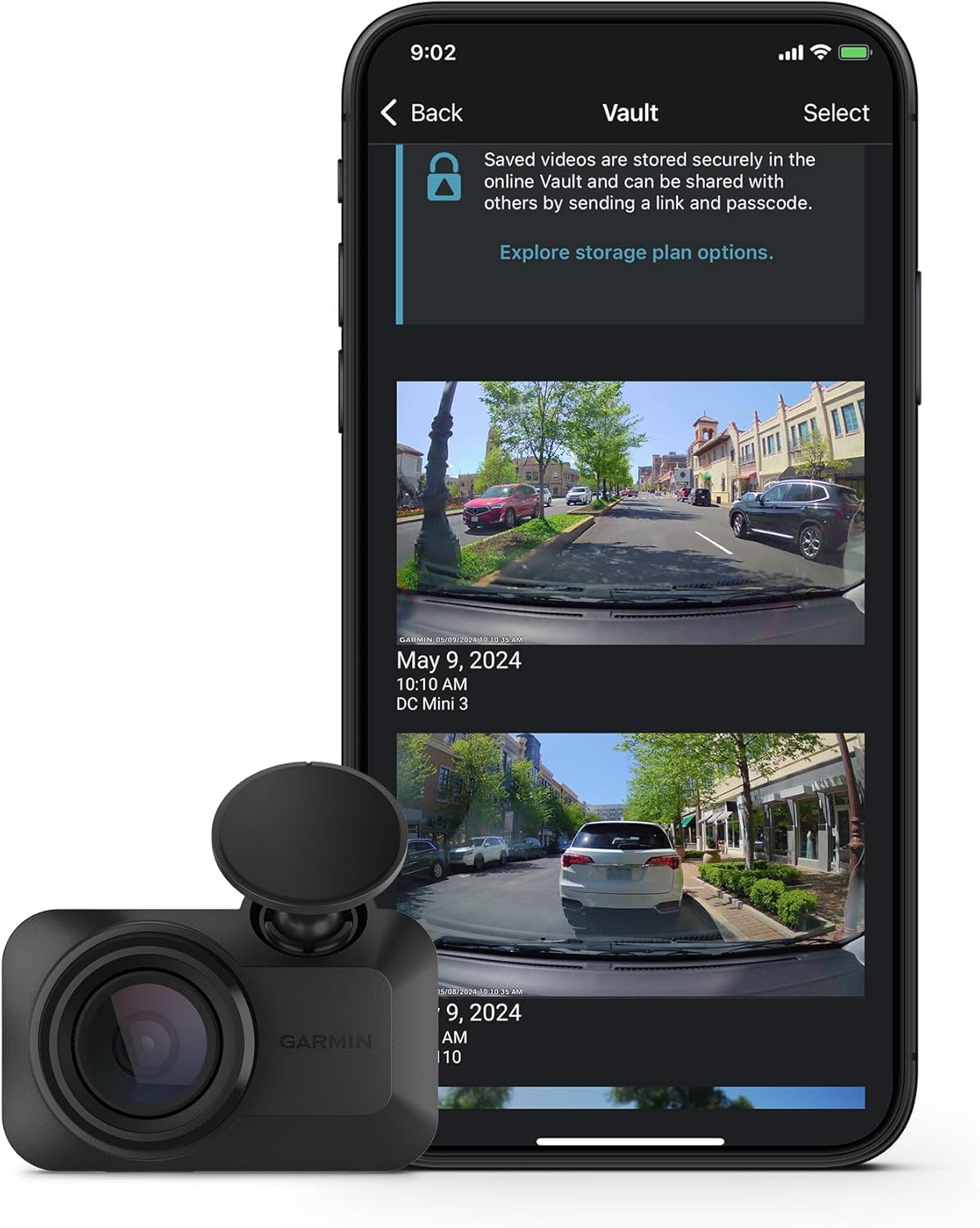
Put a Pepwave MAX BR1 Mini or a Calyx Institute hotspot in each vehicle ($150–$300 one-time, $25–$40/month for the unlimited SIM). The dash cam connects via Wi-Fi, and a tiny Raspberry Pi Zero W or the hotspot's built-in scripting pushes any flagged event clip to a per-vehicle prefix in a Wasabi bucket (~$6/TB/month, no egress fees). Total: ~$30/vehicle/month, fully owned by you.
Pattern B: Driver-phone tethering
Cheapest path. Each driver's company phone runs the camera's app in the background; flagged clips auto-upload over LTE to a Google Drive or Dropbox folder you've shared with the driver. Zero per-vehicle hardware cost beyond the camera. Works great until a driver disables the app — which is why you also need a written driver accountability policy.
Pattern C: Yard Wi-Fi sync only
If all 10 vehicles return to a single yard nightly, you don't actually need cellular at all. Mount a beefy mesh AP at the yard, configure each camera to auto-sync flagged events when it sees the yard SSID, and you've got next-day cloud retention for ~$0/vehicle/month. The catch: you lose real-time visibility into mid-shift incidents.
For most 10-vehicle operations, Pattern A is the right balance of cost, reliability, and real-time visibility. If you're comparing it against the SaaS route, see our Samsara vs. Motive vs. DIY breakdown.
Installation and rollout playbook for 10 vehicles
Don't let the rollout drag. Block one Saturday, get a mobile installer, and knock all 10 out in a day:
- Pre-order everything (cameras, hardwire kits, microSD cards, LTE hotspots, SIM cards) two weeks in advance.
- Standardize on one camera model for at least 8 of 10 vehicles. Mixed models = mixed firmware = mixed problems.
- Hardwire, don't cigarette-lighter. Hardwire kits enable parking mode (the camera keeps recording with engine off), which is half the value for theft and hit-and-run defense.
- Buy high-endurance microSD cards (Samsung PRO Endurance, SanDisk High Endurance). Standard cards die in 90 days of continuous loop recording.
- Set up the cloud bucket BEFORE install day. One bucket, ten prefixes (one per vehicle/VIN), lifecycle rule to archive to Glacier after 90 days.
- Have drivers sign a dash cam policy before keys go back. Document that the camera exists, what's recorded, and how footage is used.
- Test every camera within 48 hours by triggering a manual event clip and confirming it landed in the cloud bucket.
Frequently Asked Questions
What is the best dash cam with cloud storage for fleet managers with 10 vehicles on a tight budget?
The ROVE R2-4K DUAL paired with driver-phone tethering and a shared Google Drive folder per vehicle. Total hardware cost: ~$1,500 for all 10 vehicles. Total monthly cost: under $50 across the fleet if drivers already have company phones. You give up real-time visibility and AI coaching, but you get evidence-grade 4K footage and reliable cloud retention.
Do I need a true fleet platform like Samsara or Motive for 10 vehicles?
Only if your insurer mandates AI driver coaching or you're hauling regulated freight that requires DOT-compliant scoring. For most 10-vehicle small businesses (HVAC, plumbing, local delivery, landscaping), a consumer 4K dash cam + in-cab LTE hotspot + your own S3 bucket delivers 80% of the value at 30% of the cost. Revisit the SaaS option once you cross 25 vehicles.
How much cloud storage do I actually need for a 10-vehicle fleet?
If you only upload flagged events (harsh brake, collision, manual button press), expect 200–500 MB per vehicle per day, or roughly 60–150 GB per month across all 10 vehicles. On Wasabi or Backblaze B2 that's $6–$12/month total. If you upload full continuous footage, multiply by 30x — at that point you need a real fleet platform.
Can I use one LTE hotspot for the dash cam and a tablet in the same vehicle?
Yes, and you should. A Pepwave MAX BR1 Mini supports multiple Wi-Fi clients, so the dash cam, a driver tablet, and even a Bluetooth OBD-II dongle can all share one $25/month unlimited SIM. This is the single biggest cost optimization for a 10-vehicle deployment versus paying per-device cellular plans.
What happens to footage if a driver removes or unplugs the dash cam?
This is the #1 unsolved problem in DIY fleet camera deployments. Mitigations: hardwire the camera with a tamper-evident fuse tap, enable parking mode so any disconnect logs an event to the cloud, and write a driver policy that makes camera tampering a terminable offense. Some fleet managers also install a small GPS tracker as a backup that confirms the camera was active during each shift.
How long should I retain dash cam cloud footage?
Standard practice in 2026 is 90 days hot storage for flagged events and 30 days for continuous footage, then archive to cold storage (Glacier, B2 Archive) for 12 months. Set lifecycle rules in your bucket so you're not paying hot-tier prices on year-old clips. Check your state — California, Illinois, and a few EU-adjacent jurisdictions have specific retention caps for in-vehicle recordings of drivers.
What's the best dash cam with cloud storage for fleet managers with 10 vehicles that need a cabin-facing camera?
The Vantrue N4 Pro S 3-channel is the clear pick — STARVIS 2 cabin sensor with IR illumination means you get usable interior footage day and night without harsh visible IR LEDs distracting drivers. For rideshare, delivery, and any fleet where driver-blame defense matters, the cabin channel pays for itself the first time a passenger claims an injury that the footage disproves.
Should I buy from Amazon or direct from a fleet vendor?
For consumer 4K cameras (Vantrue, ROVE, REDTIGER), Amazon is faster, cheaper, and has better return windows — buy there. For true fleet platforms (Samsara, Motive), you have to go direct because the camera is bundled with the SaaS contract. For accessories like hardwire kits and high-endurance microSD cards, Amazon Prime same-day shipping is hard to beat when you're trying to hit a Saturday install day.
Key Takeaways
- Choosing the right best dash cam with cloud storage for fleet managers with 10 vehicles means matching capacity and output ports to your actual devices
- Always check actual watt-hours (Wh), not just watts — runtime depends on Wh, not peak output
- Also covers: fleet dash cam cloud 10 vehicles
- Also covers: small fleet dash cam subscription
- Also covers: cloud dash cam fleet dashboard
- Compare price-per-Wh across models to find the best value for your budget